
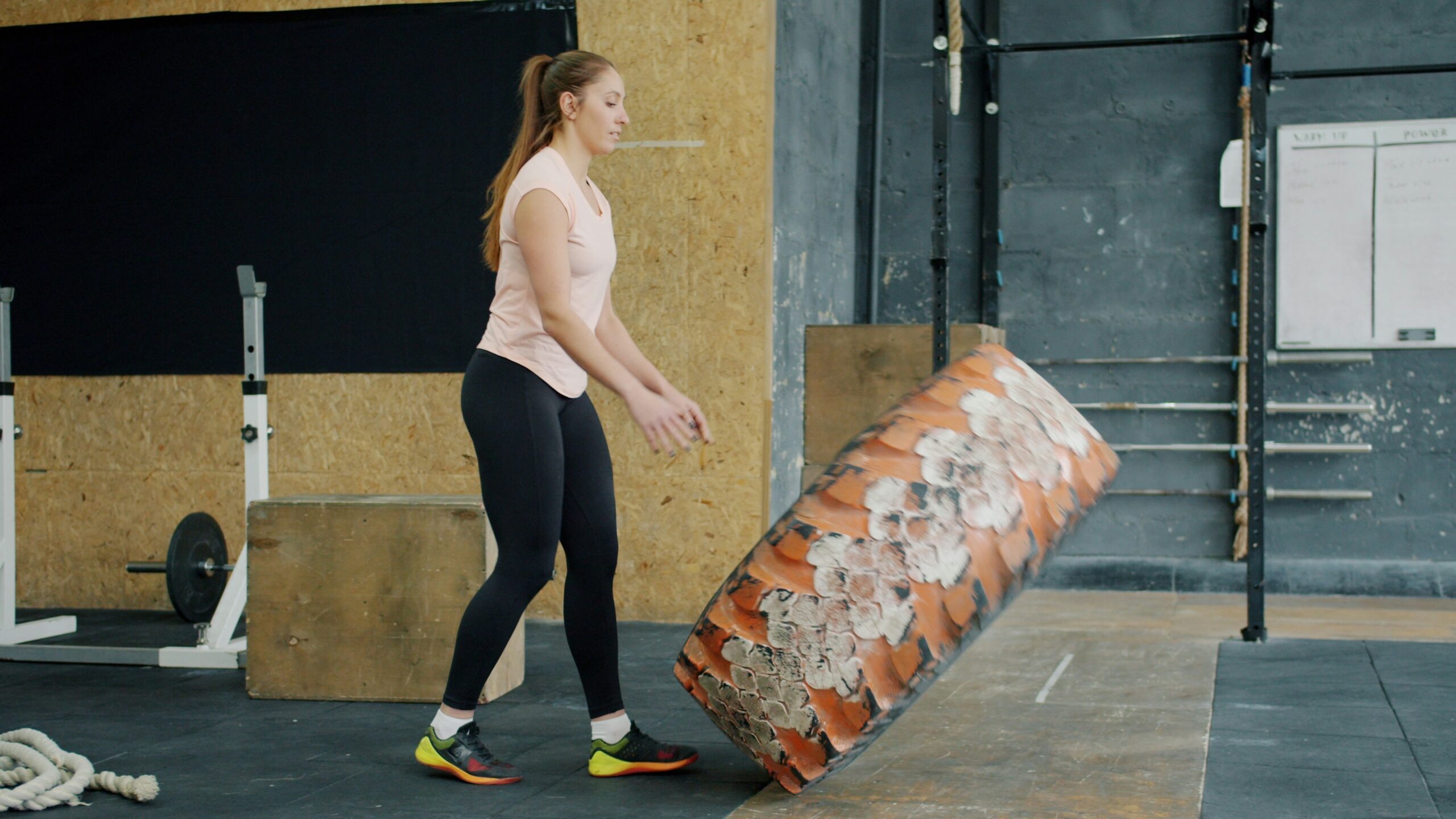
HYROX has moved well beyond the niche fitness crowd. The indoor competition combines running with functional workout stations, giving recreational athletes a clear goal to train for without requiring the technical skills of a traditional obstacle race. Reuters reported in August that organisers expected close to 1.5 million people to take part in events during 2026, across more than 100 cities and 35-plus countries.
The appeal is simple: the format is fixed, the atmosphere is social, and you can chase your own personal best. A little structure helps before you book a start line.
What actually happens in a HYROX race?
The standard HYROX format alternates eight 1-kilometre runs with eight workout stations. These include the SkiErg, sled push and pull, burpee broad jumps, rowing, farmers carry, sandbag lunges and wall balls. The order stays the same across events, which makes the challenge easy to understand — and gives you a clear list of movements to practise.
You do not have to be an elite athlete to enter. HYROX offers different divisions, including Open, Pro, Doubles and Relay. For a first event, choose a format that fits your current training. Sharing the work with a partner or team can also make the experience feel more manageable.

Build your engine before chasing speed
It can be tempting to train every session like a race simulation. Resist that urge at the beginning. HYROX is an endurance event as well as a strength challenge, and you need enough running fitness to keep moving after the workout stations.
Start with an easy run at a conversational pace. Add distance gradually rather than covering all eight kilometres straight away. If you already run regularly, keep one comfortable run in your week while building strength and practising transitions.
Train the movements, not just the sweat
A useful beginner week could include one easy run, one full-body strength session and one shorter mixed workout. Practise squats, lunges, carries, rowing and controlled burpees. If your gym has a sled or SkiErg, get familiar with them before race day; a coach can suggest alternatives if it does not.
Keep the early sessions manageable and leave room for recovery. You do not need to recreate a full race every weekend. Consistency will do more for your preparation than a handful of punishing workouts that leave you too tired to train again.
What should you wear?
Comfort and grip matter more than a head-to-toe race outfit. Shoes should feel secure for lifting and movement while remaining comfortable for the running sections. Test them in training before race day.
One specific option to look at is the Reebok Nano X5, a cross-training shoe designed for a mix of lifting, conditioning and dynamic gym work. You can find the Reebok Nano X5 on Amazon, but shoe choice is personal: check the fit and make sure it feels comfortable for your running distance as well as the workout stations. A shoe designed mainly for heavy lifting may feel different from a dedicated running shoe.
Make your first race a learning experience
For your first HYROX, the smartest target may be to pace yourself evenly, learn how the stations feel under fatigue and finish feeling that you could come back for another. Start each run controlled instead of sprinting out of the gate, and practise moving from running to strength work without rushing your technique.
The format is competitive, but built around a shared challenge. Train with a friend, join a class or try a relay before tackling the full event solo. HYROX gives everyday training a finish line — without requiring you to be the fastest person in the room.