At the beginning of 2026, the internet decided we should all spend less time on the internet.
Slightly ironic, yes.
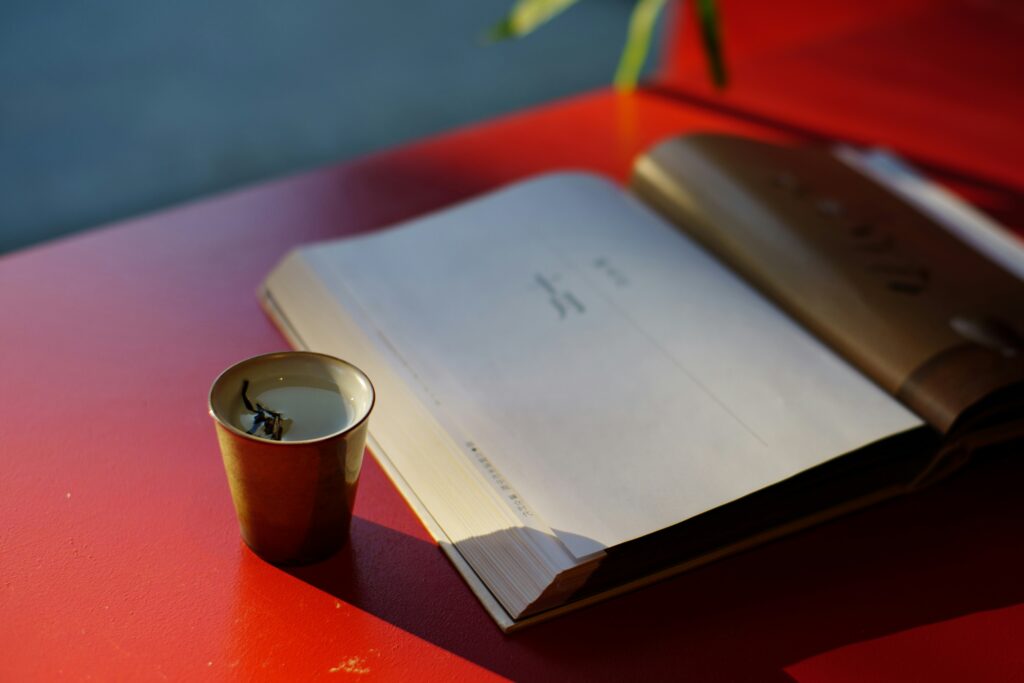
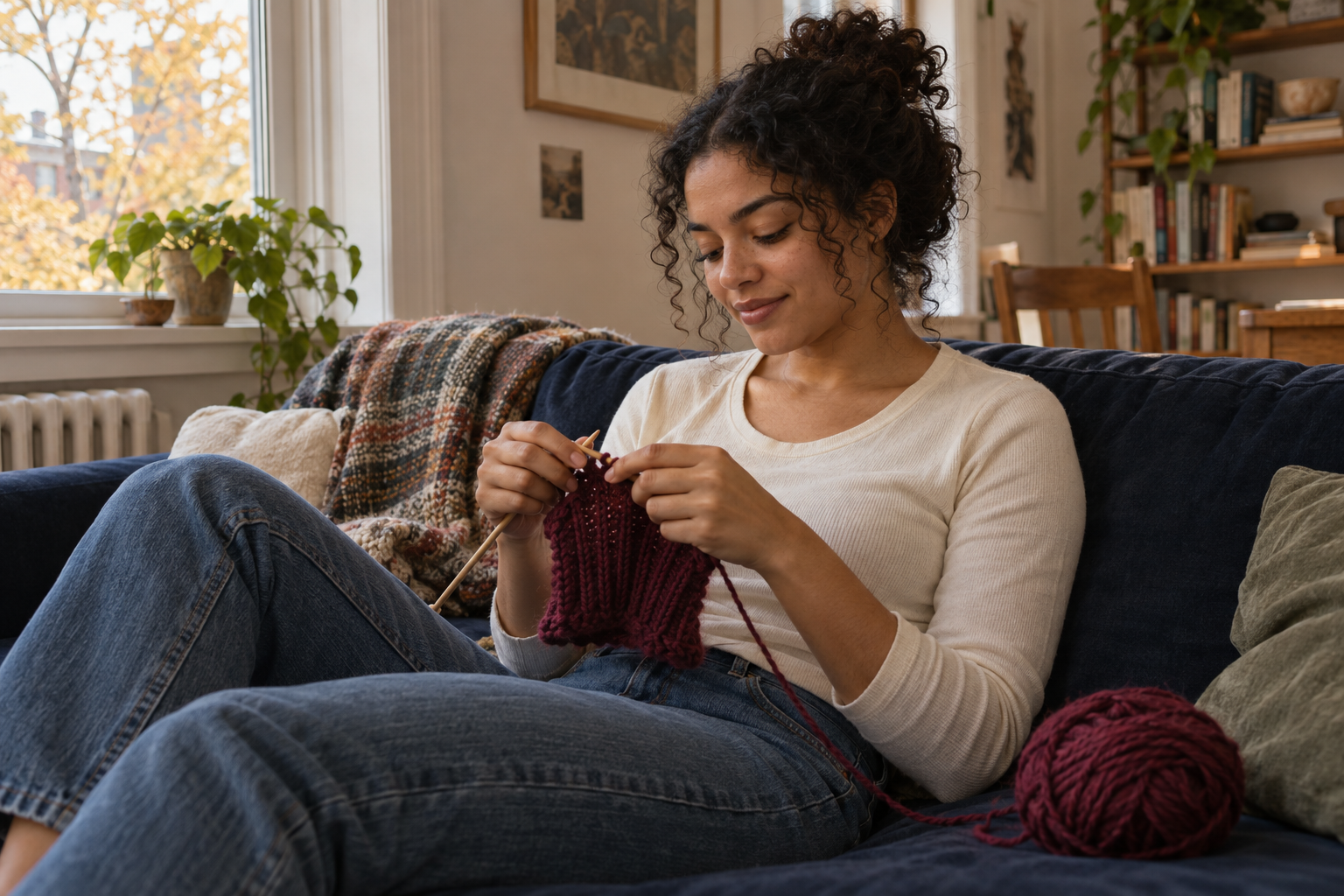
The analog lifestyle appeared everywhere: physical books instead of Kindles, film cameras instead of endless camera rolls, knitting instead of scrolling, paper planners, vinyl records, puzzles, wired headphones and, for the truly committed, dumbphones.
It would have been easy to dismiss it as another January reset that disappeared by February. Except we are now well into autumn — and the desire to spend less time staring at a screen hasn’t really gone anywhere.
Maybe “going analog” was never about pretending smartphones don’t exist. Maybe we’re simply getting better at noticing how much of our lives they occupy.
We know we’re online too much
Recent Dutch research makes that tension pretty clear.
Mediahuis Nederland and MediaTest surveyed 2,608 people aged 15 to 35 and found that young people spend an average of 3.9 hours a day on social media and more than five hours on their smartphones. Almost two thirds felt that was too much.
Work isn’t necessarily giving us much relief either.
Deloitte’s 2026 Gen Z and Millennial Survey found that 58% of Gen Z respondents and 54% of millennials globally experienced digital fatigue from constant notifications, switching between tools and using multiple platforms.
So perhaps it isn’t surprising that leisure is moving in the opposite direction.
Offline hobbies suddenly feel strangely luxurious
One of the clearest signs of the shift has been the renewed interest in hobbies that require your hands rather than your thumbs.
Earlier this year, arts-and-crafts retailer Michaels told CNN that searches for “analog hobbies” on its website had risen 136% over six months. Sales of guided craft kits increased 86% in 2025, while searches for yarn kits had jumped dramatically too.
Knitting, scrapbooking, pottery, journaling, reading, gardening and puzzles aren’t exactly new inventions.
That may be precisely the appeal.
There is a beginning and an end. You finish the book. Complete the puzzle. Fill a page. Make something.
Your Instagram feed, meanwhile, will happily continue forever.
But you don’t need to throw away your iPhone
This is where analog living can become slightly ridiculous.
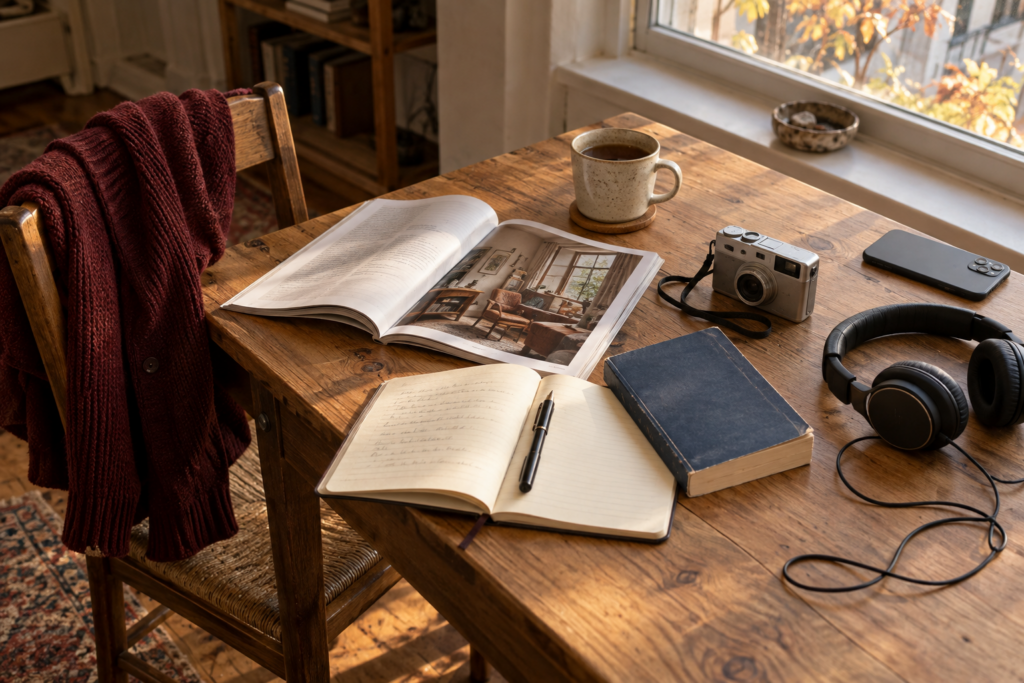
Buying a film camera, record player, expensive notebook, separate alarm clock and vintage iPod just to prove you are spending less time consuming things online can quickly turn “simplifying your life” into another shopping list.
And going fully offline isn’t realistic for most people anyway. Work, banking, maps, train tickets and communication are all tied to our phones.
The more useful version is much less dramatic.
Buy the physical magazine occasionally. Bring a book on the train instead of automatically opening TikTok. Leave your phone in another room while you cook. Meet a friend without keeping it face-up on the table. Choose one hobby that produces something other than more screen time.
No Nokia required.
JOMO might work better than a digital detox
There is even some research behind approaching screen time differently.
A study published in the International Journal of Information Management in October 2026 looked at JOMO — the joy of missing out — as a way of thinking about digital self-regulation.
Rather than framing reduced screen time as restriction — I am not allowed to check my phone — JOMO focuses on what you gain by stepping away. The researchers found that this mindset could increase feelings of authenticity and freedom around technology use.
That feels considerably more appealing than another app telling you that you have reached your daily limit.
Maybe analog living isn’t really about nostalgia
The aesthetic side of analog life makes it look like we all desperately want to return to 2003.
But the better version isn’t about rejecting technology or romanticising a time before Google Maps.
It is about creating moments where nothing is trying to notify, recommend, optimise or entertain you.
You can still use Spotify. You can still send Reels to your friends. You can still ask AI something useful.
And then you can put your phone down.
Perhaps the most modern luxury in 2026 isn’t disappearing from the internet completely.
It’s remembering that you are allowed to be unavailable for a while.