Fenty Skin announces a new eye mask. A few days later, Glow Recipe reveals something suspiciously similar. Then Huda Beauty joins in.
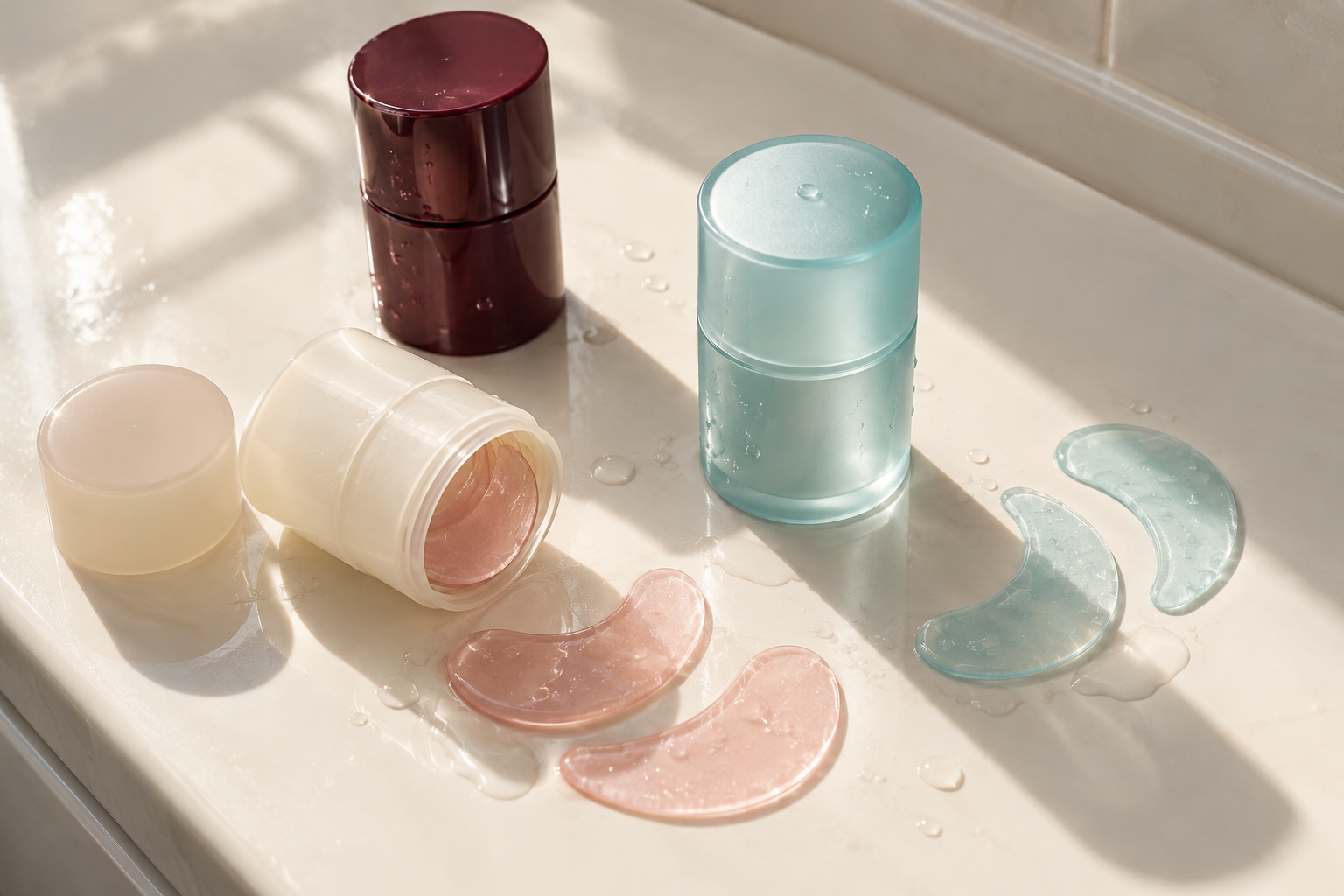
Same jelly-like eye patches. Same cylindrical packaging. Same satisfying twist that slices off a fresh patch.
Beauty’s latest internet mystery was born.
In September, several major beauty brands revealed remarkably similar hydrogel eye-patch concepts within days of each other. Social media quickly gave the situation a name: Eye Patch Gate.
But before we start accusing Rihanna of secretly raiding someone else’s product-development folder, the real explanation is much more interesting.
What actually happened?
Fenty Skin was one of the first major Western brands to attract attention when it teased its Dew N Plump Fresh-Sliced Hydrogel Eye Patches on September 17.
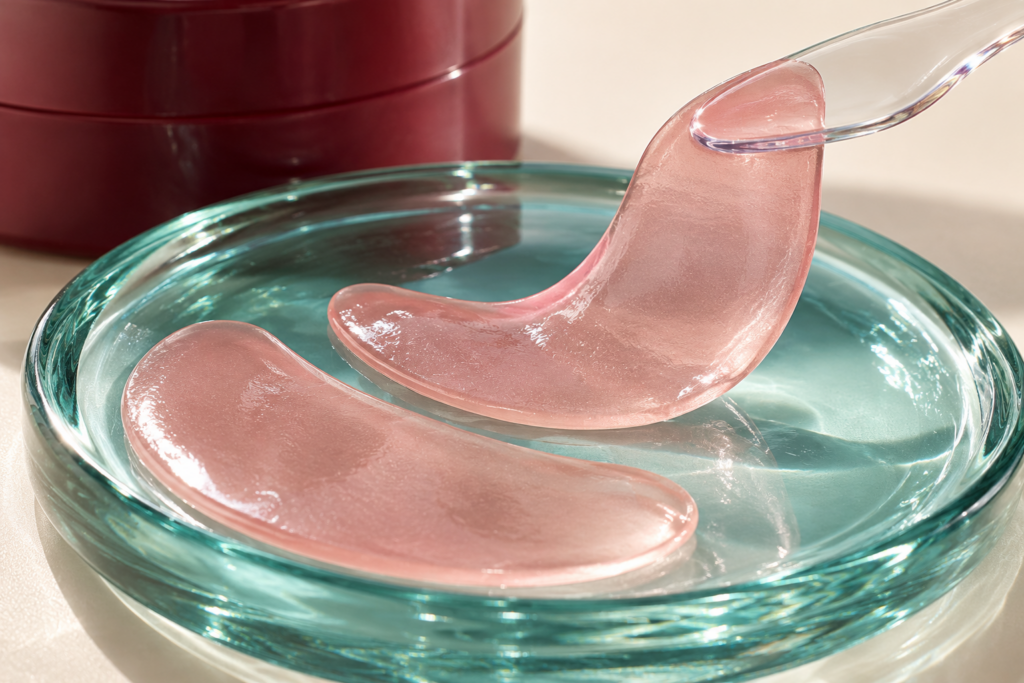
Instead of opening a traditional tub and trying to rescue two slippery patches with a tiny pair of tweezers, the packaging works almost like a grinder. Twist the top and a fresh hydrogel patch is sliced and dispensed.
Very satisfying. Very TikTok-friendly.
Then came Glow Recipe with its own Fresh Slices Eye Patch concept. Huda Beauty also previewed a sliced under-eye mask in extremely similar packaging.
Suddenly, one futuristic beauty innovation looked considerably less exclusive.
So, did someone copy someone?
Not necessarily.
Industry reporting traced the distinctive packaging format back to South Korean packaging manufacturer Samhwa. Beauty brands can source packaging and components from specialist manufacturers rather than designing every part of a product completely from scratch.
There was another twist too: Korean beauty brand Wonder Bath had already introduced its own Slice Serum product using the sliced-hydrogel format in South Korea earlier in the summer.
That means the similarities between the products do not automatically prove that Fenty, Glow Recipe or Huda Beauty copied one another.
Most importantly, similar packaging does not mean the actual skincare formula inside is identical. The brands can use the same or similar delivery system while developing different formulas, ingredients and product claims.
Why did everyone notice this time?
Beauty brands sharing suppliers is hardly new.
What made Eye Patch Gate stand out was that the packaging itself was presented as part of the innovation — and several recognisable brands revealed almost the same eye-catching concept at practically the same moment.
Consumers noticed immediately.
The brands did too. Rather than pretending the similarities did not exist, some leaned into the joke on social media, turning an awkward product collision into a marketing moment.
And perhaps that says more about modern beauty than the eye patches themselves.
Beauty shoppers are getting harder to impress
A pretty bottle and a dramatic launch campaign are no longer enough to make a product feel genuinely new.
Consumers can compare ingredient lists, discover manufacturers, watch cosmetic chemists break down formulas and find the Korean product that existed months before a Western launch — all from their phone.
Vogue Business recently pointed to Eye Patch Gate as part of a wider conversation about whether the beauty industry needs to invest more seriously in genuine innovation.
Because when shelves are already overflowing with serums, lip oils, blushes and masks, another “never-seen-before” product needs to survive a very simple test:
Has nobody really seen it before?
Eye Patch Gate doesn’t mean these new masks are bad products. The freshly sliced format may actually solve the very real annoyance of fishing a serum-soaked eye patch out of a pot.
But it does provide a useful reminder.
Sometimes the newest-looking thing in beauty isn’t quite as new as the packaging makes it seem.